
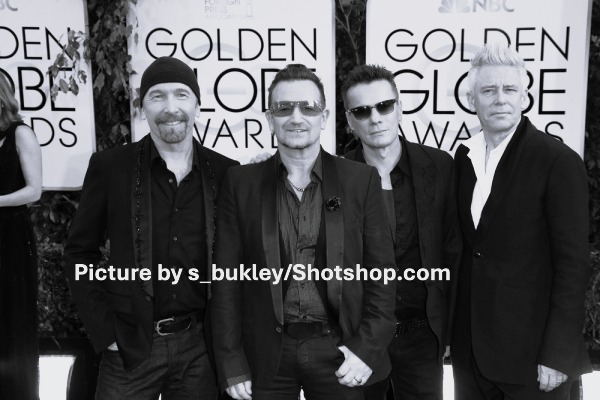
U2, formed in Dublin in 1976 by Bono (Paul Hewson, vocals), The Edge (David Evans, guitar), Adam Clayton (bass), and Larry Mullen Jr. (drums), became a defining force in 1980s rock music. Their fusion of emotive rock, political conviction, and spiritual depth propelled them from post-punk roots to global stardom. This article centers on U2’s transformative 1980s work, with a special focus on their iconic songs “Pride (In the Name of Love)” and “Sunday Bloody Sunday,” while briefly exploring their 1990s evolution, post-2000s career, and future prospects.
The 1980s: Building a legacy
U2’s 1980s journey began with their debut album, Boy (1980), released on Island Records and produced by Steve Lillywhite. Its raw, post-punk energy, exemplified by tracks like “I Will Follow,” captured themes of youth and loss, inspired by Bono’s mother’s death. The album earned critical praise, particularly in the UK and Ireland, laying the groundwork for their rise.
Their second album, October (1981), leaned heavily into spiritual themes, reflecting the Christian faith of Bono, The Edge, and Mullen. Songs like “Gloria” explored faith and doubt, but the album’s introspective tone and uneven production led to mixed reviews and modest sales. Despite this, October showed U2 searching for a deeper identity.
In 1983, War marked U2’s breakthrough, blending political urgency with accessible rock. The album addressed global conflicts like the Cold War and Ireland’s Troubles, reaching No. 1 in the UK and No. 12 in the US. Its lead single, “Sunday Bloody Sunday,” became a defining anthem. Inspired by the 1972 Bloody Sunday massacre in Derry, where British soldiers killed 14 unarmed civilians during a civil rights march, the song was a powerful call for peace. Larry Mullen Jr.’s militaristic drumbeat set a stark tone, complemented by The Edge’s jagged guitar riffs and Bono’s impassioned vocals, with lyrics like “How long must we sing this song?” conveying anguish and hope. Bono introduced it live as “not a rebel song,” emphasizing its non-partisan stance to avoid glorifying violence. The song’s universal message of reconciliation resonated globally, peaking at No. 7 on the US Mainstream Rock chart and becoming a cornerstone of their live performances, often accompanied by white flags symbolizing peace. Another hit, “New Year’s Day,” inspired by Poland’s Solidarity movement, became their first international hit, reaching No. 10 in the UK. The live album Under a Blood Red Sky (1983) captured U2’s electrifying performances, cementing their reputation as a must-see act.
The Unforgettable Fire (1984) saw U2 shift toward atmospheric textures, guided by producers Brian Eno and Daniel Lanois. The Edge’s guitar work, rich with reverb and delay, created a cinematic sound, while Bono’s lyrics explored spirituality and human rights. The album’s standout track, “Pride (In the Name of Love),” was a tribute to Martin Luther King Jr., sparked by Bono’s visit to a King exhibition in Chicago and his reading of civil rights texts like Let the Trumpet Sound. Its soaring melody, driven by The Edge’s ringing guitar and Clayton’s pulsing bass, paired with lyrics like “One man come in the name of love / One man come and go” celebrated King’s sacrifice and vision. The line “Early morning, April 4 / Shot rings out in the Memphis sky” contains a factual error—King was assassinated in the evening of April 4, 1968—which Bono later acknowledged, occasionally adjusting the lyric live to “early evening.” Despite this, the song’s universal message of love and justice made it U2’s biggest hit to date, reaching No. 3 in the UK, No. 33 in the US, and No. 1 in New Zealand. “Pride” became a live staple, often paired with Bono’s tributes to peace activists, amplifying its emotional impact. Other tracks, like “Bad,” a haunting meditation on addiction, showcased U2’s emotional depth. The album hit No. 1 in the UK and No. 12 in the US. U2’s 1985 Live Aid performance, particularly an extended “Bad,” captivated nearly 2 billion viewers, thrusting them into global superstardom.
Their 1987 masterpiece, The Joshua Tree, solidified U2 as rock titans. Inspired by American landscapes and culture, it wove blues, gospel, and folk into their sound, addressing America’s promise and flaws. Hits like “With or Without You” and “I Still Haven’t Found What I’m Looking For” topped US charts. The album sold over 25 million copies, hit No. 1 worldwide, and won the 1988 Grammy for Album of the Year. The stadium tour that followed showcased their ability to make massive venues feel intimate.
Rattle and Hum (1988), a hybrid live/studio album and film, closed the decade. Exploring American roots music, it featured hits like “Desire” and “Angel of Harlem.” Despite multi-platinum sales, it drew criticism for perceived self-indulgence, hinting at U2’s next reinvention.
The 1990s: Reinvention and experimentation
In the 1990s, U2 reinvented themselves to avoid being defined by their 1980s earnestness. Achtung Baby (1991), recorded with Eno and Lanois in Berlin, blended industrial and electronic elements with rock. Hits like “One” and “Mysterious Ways” powered the album to No. 1 in the US and 18 million sales worldwide. The Zoo TV tour (1992–1993), with its multimedia spectacle, redefined stadium rock. Zooropa (1993) leaned further into electronica, while Pop (1997) explored dance and techno, though its mixed reception marked the limits of their experimentation.
Post-2000s: Resilience and relevance
The 2000s saw U2 return to their rock roots. All That You Can’t Leave Behind (2000), with hits like “Beautiful Day,” sold 12 million copies. How to Dismantle an Atomic Bomb (2004) delivered anthems like “Vertigo,” winning eight Grammys. The 2010s were mixed: No Line on the Horizon (2009) underperformed, and Songs of Innocence (2014) sparked controversy with its automatic iTunes release. Songs of Experience (2017) reflected on mortality, while the Joshua Tree 30th-anniversary tour (2017–2019) drew huge crowds. The 2023–2024 U2:UV Achtung Baby Live residency at the Las Vegas Sphere, with Bram van den Berg substituting for Mullen due to health issues, grossed over $244 million.
The future of U2
As of August 2025, U2 is reportedly working on a new album, possibly How to Re-Assemble an Atomic Bomb, featuring unreleased tracks from 2004. Fan excitement on X suggests anticipation, though no release date is confirmed. Mullen’s health remains a concern, potentially impacting the lineup or touring. Bono and The Edge’s interest in blending their 1990s experimentation with classic anthems hints at innovative new music. With over 150 million albums sold and a history of adapting to cultural shifts, U2 is likely to remain relevant through new albums, immersive live shows, or Bono’s global advocacy.
Conclusion
U2’s 1980s work, epitomized by “Sunday Bloody Sunday” and “Pride (In the Name of Love),” defined them as a band of passion and purpose. These songs, rooted in historical tragedies and universal ideals, remain cornerstones of their legacy. From Boy to The Joshua Tree, their 1980s output transformed them into global icons. Their 1990s reinvention and post-2000s resilience kept them vital, and their future promises continued innovation. U2’s ability to evolve while staying true to their core ensures their enduring impact on music and culture.