
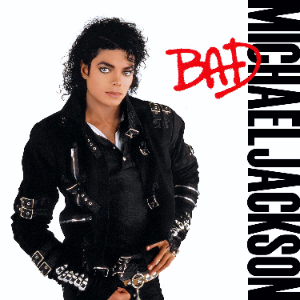
Michael Jackson, known as the “King Of Pop,” had a groundbreaking decade in the 1980s. His album Off The Wall (1979) sold over 20 million copies with hits like “Don’t Stop ‘Til You Get Enough.” Thriller (1982) became a cultural phenomenon, selling over 70 million copies and producing seven top 10 singles, including “Billie Jean” and “Beat It,” with iconic music videos. His 1983 moonwalk debut on Motown 25 was a defining moment, influencing dance and fashion. The 1984 Victory Tour with his brothers was a massive success, and Bad (1987) continued his dominance with five number-one singles. His Pepsi endorsements and collaborations, like with Eddie Van Halen, further solidified his global impact.
Cultural And Commercial Impact
Michael Jackson’s 1980s work transformed music videos, breaking racial barriers on MTV and fostering diversity. His performances, like the moonwalk, inspired global trends, and his albums set records, earning multiple Grammys. His influence extended to dance, fashion, and social awareness, making him a cultural icon.
Jackson’s music career in the 1980s was a pivotal era that solidified his status as the “King Of Pop,” marked by unprecedented commercial success, cultural influence, and innovation. This period, spanning from the late 1970s into the late 1980s, saw Jackson transition from a child star with the Jackson 5 to a global solo icon, reshaping the music industry through his albums, performances, and media presence.
Early Success with Off The Wall
Michael Jackson’s fifth solo album, Off The Wall, released in 1979 but significant for the 1980s, was produced by Quincy Jones and marked his shift from bubblegum pop to a more mature, complex sound. The album featured four top 10 US singles, including “Don’t Stop ‘Til You Get Enough” and “Rock With You,” both reaching number one. It sold over 20 million copies worldwide, earning Jackson his first Grammy Award for Best Male R&B Vocal Performance in 1980. This album laid the groundwork for his later successes, showcasing his vocal range and stage presence, and was certified multi-platinum, reflecting its commercial impact.
The Phenomenon Of Thriller
Released in late 1982, Thriller became a cultural milestone, often cited as the best-selling album of all time, with estimates of over 70 million copies sold globally. It topped the Billboard 200 for 37 weeks and remained in the top 10 for 80 consecutive weeks, producing seven Billboard Hot 100 top-10 singles, including “Billie Jean,” “Beat It,” and “Wanna Be Startin’ Somethin’.” The album’s music videos, particularly “Thriller,” revolutionized the medium, turning MTV into a mainstream platform and breaking racial barriers for Black artists. Collaborations like Eddie Van Halen’s guitar solo on “Beat It” and a duet with Paul McCartney on “The Girl Is Mine” highlighted Jackson’s ability to bridge genres. At the 1984 Grammy Awards, Thriller won eight awards, including Album Of The Year and Record Of The Year for “Beat It,” making Jackson the first artist to win eight Grammys in one night.
Cultural Impact And The Moonwalk
Michael Jackson’s performance at the Motown 25 television special in May 1983, viewed by 47 million people, was a defining moment. During his solo performance of “Billie Jean,” he debuted the moonwalk, a dance move that became synonymous with his name and influenced global dance trends. This performance, described by Rolling Stone as energizing the music scene and shaping 1980s popular culture, showcased his stage presence and choreography, drawing comparisons to figures like James Brown and Fred Astaire. His music and videos, such as “Thriller,” fostered racial integration on MTV, steering its focus from rock to pop and R&B, and were pivotal in breaking down racial barriers in media.
Endorsements And The Pepsi Deal
In 1983, Michael Jackson signed a $5 million endorsement deal with PepsiCo, a record-breaking amount at the time (equivalent to $15.8 million in 2024), including tour sponsorships and promotional events. This deal, which used “Billie Jean” with revised lyrics as a jingle, underscored his marketability. A second agreement in the late 1980s, worth $10 million (equivalent to $27.7 million in 2024), covered 20 countries and supported his Bad album and 1987–1988 world tour, further cementing his global superstar status.
The Victory Tour And Live Performances
The 1984 Victory Tour, headlined with his brothers as the Jacksons, was one of the most popular concert events of the decade, attracting over 2 million attendees in the US. It showcased new solo material and, despite ticket sales controversy, Jackson donated $3–5 million of his share to charity. This tour highlighted his live performance prowess, reinforcing his reputation as a dynamic stage presence.
Continued Success With Bad
Released in 1987, Bad was highly anticipated and became the best-selling album of 1987 and 1988, selling over 35 million copies worldwide. It produced five US Billboard Hot 100 number-one singles: “I Just Can’t Stop Loving You,” “Bad,” “The Way You Make Me Feel,” “Man In The Mirror,” and “Dirty Diana,” with “Smooth Criminal” peaking at number seven. The album won Grammys, including Best Engineered Recording – Non Classical in 1988 and Best Music Video, Short Form for “Leave Me Alone” in 1990, and earned Jackson the Award Of Achievement at the 1989 American Music Awards for generating five number-one singles.
Humanitarian Efforts And Collaborations
Beyond his music, Michael Jackson’s humanitarian efforts included co-writing “We Are The World” with Lionel Richie in 1985 for USA For Africa, raising millions for famine relief in Africa. This charity single, performed by numerous artists, showcased his commitment to global causes. His collaborations, such as with Paul McCartney and Eddie Van Halen, demonstrated his versatility, bridging pop, rock, and R&B, and enhancing his musical legacy.
Influence And Legacy
Michael Jackson’s 1980s career transformed popular music, earning him the “King Of Pop” title by 1984. His influence extended beyond music, impacting dance, fashion, and global affairs. In Africa, he was compared to Nelson Mandela for inspiring unity; in India, to Mahatma Gandhi for cultural influence; in Europe, his presence drew crowds like the Pope during economic challenges; and in the Middle East, his reach was as widespread as Coca-Cola. His work paved the way for modern pop, influencing genres like K-pop in South Korea, and his annual earnings in 1989 were estimated at $125 million from album sales, endorsements, and concerts.
Additional Media And Awards
In 1988, Michael Jackson published his autobiography; Moonwalk, and released the experimental film Moonwalker, combining music videos and biographical segments, further expanding his media presence. His awards during the decade included multiple Grammys, American Music Awards, and the MTV Video Vanguard Award in 1988, later renamed in his honor, reflecting his broad impact on the industry.
Summary Table Of Key Albums And Achievements
| Year | Album/Release | Details | Achievements | Awards |
|---|---|---|---|---|
| 1979 | Off The Wall | Fifth solo album, produced by Quincy Jones | Sold over 20 million copies, four top 10 singles | 1980: Three American Music Awards, Grammy for Best Male R&B Vocal Performance |
| 1982 | Thriller | Sixth album, bestselling album ever | Over 70 million copies sold, seven top 10 singles | 1984: Eight Grammys, including Album of the Year |
| 1983 | Motown 25 Performance | Debuted moonwalk on “Billie Jean” | Viewed by 47 million, cultural milestone | Emmy nomination |
| 1983-1984 | Pepsi Deal | $5 million endorsement, later $10 million expansion | Record-breaking celebrity deal | – |
| 1984 | Victory Tour | Last tour with brothers, over 2 million attendees | Donated proceeds to charity | – |
| 1987 | Bad | First album in five years | Five number-one singles, over 35 million copies | 1988, 1990 Grammys, 1989 American Music Award |
This detailed analysis underscores Michael Jackson’s unparalleled influence in the 1980s, shaping music, culture, and global entertainment, and leaving a lasting legacy.