
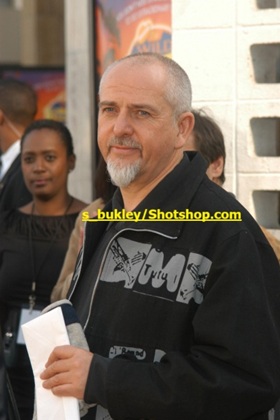
The 1980s marked a transformative period for Peter Gabriel, cementing his status as a visionary artist who blended innovative soundscapes, global influences, and introspective themes. After leaving Genesis in 1975, Gabriel embarked on a solo career that reached new creative heights during this decade. His work in the ’80s, characterized by experimental production, political engagement, and commercial success, not only shaped his legacy but also influenced the broader music landscape. This article explores Gabriel’s key musical contributions in the 1980s, focusing on his albums, stylistic shifts, and cultural impact.
The Early ’80s: Experimentation And Identity
Gabriel entered the 1980s with his third solo album, Peter Gabriel (1980), often referred to as Melt due to its striking cover art. This album marked a significant departure from his progressive rock roots, showcasing a bold, experimental sound. Produced by Steve Lillywhite, Melt featured a stripped-down yet intense aesthetic, with Gabriel’s signature gated drum sound—developed alongside Phil Collins—becoming a hallmark of tracks like “Intruder.” This innovative drum technique, characterized by a sharp, reverberant attack, would influence countless ’80s productions.
Thematically, Melt delved into psychological and political territory. Songs like “Games Without Frontiers,” a critique of nationalism and war, blended catchy melodies with unsettling lyrics, reaching No. 4 in the UK charts. “Biko,” a tribute to the murdered South African activist Steve Biko, introduced Gabriel’s growing interest in global issues and non-Western musical traditions, incorporating African rhythms and a haunting choral arrangement. The track became an anthem for the anti-apartheid movement, signaling Gabriel’s commitment to using music as a platform for social commentary.
In 1982, Gabriel released his fourth album, Peter Gabriel (also known as Security in North America). This record deepened his exploration of world music and electronic textures, produced with David Lord and featuring contributions from musicians like Tony Levin and Jerry Marotta. Tracks like “Shock the Monkey,” a Top 40 hit in the US, combined funk grooves, synths, and cryptic lyrics about jealousy and control, often misinterpreted as a statement on animal rights. The album’s standout, “The Rhythm of the Heat,” drew heavily on African drumming, reflecting Gabriel’s fascination with ethnomusicology, which he would later amplify through his WOMAD festival (World of Music, Arts and Dance), launched in 1982
.
Security also showcased Gabriel’s embrace of cutting-edge technology, including the Fairlight CMI synthesizer, which allowed him to manipulate samples and create otherworldly sounds. This fusion of organic and electronic elements defined his ’80s sound and set him apart from mainstream pop trends.
Mid-’80s Triumph: So And Mainstream Success
Gabriel’s commercial breakthrough came with So (1986), his fifth studio album and a defining moment of the decade. Produced by Daniel Lanois, So balanced Gabriel’s experimental instincts with accessible pop structures, resulting in his most polished and commercially successful work. The album peaked at No. 2 on the US Billboard 200 and spawned several hit singles, establishing Gabriel as a global superstar.
The lead single, “Sledgehammer,” became Gabriel’s biggest hit, reaching No. 1 in the US and No. 4 in the UK. Its infectious Motown-inspired groove, layered with synths and a bold horn section, was paired with a groundbreaking stop-motion music video directed by Stephen R. Johnson. The video, featuring surreal imagery from Aardman Animations, won nine MTV Video Music Awards and remains one of the most iconic of the era. “Sledgehammer” exemplified Gabriel’s ability to merge playful sensuality with technical innovation.
Other tracks on So showcased his versatility. “Don’t Give Up,” a duet with Kate Bush, offered a poignant meditation on resilience amid economic hardship, inspired by the UK miners’ strike. Its tender arrangement and Bush’s ethereal vocals made it a fan favorite. “In Your Eyes,” later immortalized in the film Say Anything (1989), blended African percussion, soaring synths, and a heartfelt vocal performance, becoming a staple of Gabriel’s live shows. The album also included “Big Time,” a satirical jab at consumerism with a funky, radio-friendly edge, and “Red Rain,” a cinematic opener addressing environmental and emotional turmoil.
So’s success was amplified by Gabriel’s embrace of the MTV era, where his visually striking videos connected with a wide audience. Yet, despite its pop sheen, the album retained his signature depth, weaving themes of love, identity, and social justice into its fabric. So not only dominated charts but also earned critical acclaim, with Rolling Stone later ranking it among the greatest albums of the ’80s.
Late ’80s: Soundtracks And Global Advocacy
Following So, Gabriel’s output in the late ’80s focused on diversifying his creative footprint. In 1989, he released Passion: Music for The Last Temptation of Christ, a soundtrack for Martin Scorsese’s controversial film. Rather than a traditional film score, Passion was a rich tapestry of Middle Eastern, African, and Asian musical traditions, recorded with an ensemble of global artists like Nusrat Fateh Ali Khan and Youssou N’Dour. The album, often considered a precursor to the world music boom, won a Grammy for Best New Age Performance and showcased Gabriel’s role as a cultural bridge-builder. Tracks like “The Feeling Begins” and “A Different Drum” highlighted his ability to create evocative, non-Western soundscapes without losing emotional resonance.
During this period, Gabriel’s advocacy for world music intensified. Through WOMAD and his newly established Real World Records, he championed artists from Africa, Asia, and beyond, giving them a platform in the Western market. This commitment reflected his belief in music’s power to foster cross-cultural understanding, a theme that permeated his ’80s work.
Cultural And Musical Impact
Peter Gabriel’s ’80s output redefined what a solo artist could achieve. His willingness to blend genres—rock, pop, funk, and world music—paved the way for artists like Paul Simon and Sting, who later embraced similar global influences. His pioneering use of technology, from gated drums to the Fairlight CMI, shaped the sonic palette of the decade, influencing producers and bands across genres. Moreover, his politically charged lyrics and humanitarian efforts, particularly around apartheid and human rights, set a standard for socially conscious artistry.
Gabriel’s music videos, especially for So, were instrumental in elevating the medium to an art form. His collaboration with innovative directors and animators helped MTV become a cultural force, proving that visuals could enhance, not overshadow, a song’s message.
Conclusion
The 1980s were a golden era for Peter Gabriel, a time when he balanced artistic experimentation with mainstream appeal. From the raw intensity of Melt to the polished brilliance of So and the global tapestry of Passion, Gabriel’s work reflected a restless creative spirit and a deep engagement with the world. His ability to fuse cutting-edge production, diverse musical traditions, and socially relevant themes made him a singular figure in ’80s music. Today, his influence endures, not only in the sounds he crafted but in the boundaries he broke, inspiring generations of artists to think globally and create fearlessly.