
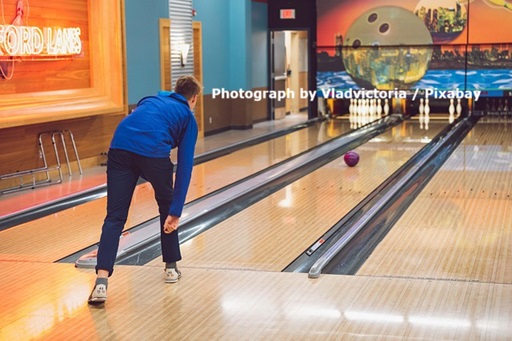
Bowling, one of the world’s oldest and most enduring recreational sports, has a rich history spanning thousands of years. From ancient rituals to modern competitive leagues, bowling has evolved significantly while maintaining its core appeal as a game of skill and precision.
Ancient Origins
The roots of bowling can be traced back to ancient civilizations. Archaeological evidence suggests that a primitive form of the game existed in ancient Egypt around 3200 BCE. Excavations at a child’s grave uncovered stone balls and nine stone pins, indicating a game resembling modern bowling. Similar artifacts have been found in other ancient cultures, including the Indus Valley and Mesopotamia, suggesting that rolling objects toward targets was a universal pastime.
Medieval And Renaissance Bowling
By the Middle Ages, bowling had become a popular secular activity in Europe, particularly in England and Germany. In England, lawn bowling and games like skittles gained traction, played outdoors on grass or dirt. These games varied widely in rules and equipment, with some using three pins and others up to a dozen. Bowling was so popular in 14th-century England that King Edward III reportedly banned it, fearing it distracted soldiers from archery practice.
During the Renaissance, bowling continued to spread. In the Netherlands, a game called Dutch pins emerged, influencing the development of nine-pin bowling. Dutch and German immigrants later brought these games to the Americas, planting the seeds for modern bowling.
Bowling In The New World
Bowling arrived in North America with European settlers in the 17th century. The Dutch in New Amsterdam (now New York City) played nine-pin bowling, often in open spaces like Bowling Green, a historic park still named for the game. By the 19th century, nine-pin bowling was widespread in the United States, but it faced challenges due to gambling and organized crime associations. In 1841, Connecticut banned nine-pin bowling to curb these issues, prompting innovators to add a tenth pin, creating the modern ten-pin game.
The standardization of ten-pin bowling marked a turning point. In 1895, the American Bowling Congress (ABC) was founded to establish uniform rules, lane dimensions, and equipment standards. This organization, now part of the United States Bowling Congress (USBC), formalized the sport and spurred its growth.
Technological And Cultural Evolution
The 20th century brought significant advancements to bowling. The introduction of automated pin-setting machines in the 1950s, pioneered by the Brunswick Corporation, revolutionized the sport by eliminating the need for manual pinsetters. This innovation made bowling faster and more accessible, leading to a boom in bowling alley construction across the United States and beyond. By the 1960s, bowling was a cultural phenomenon, with millions participating in leagues and tournaments.
Bowling also embraced technology in lane surfaces and equipment. Wooden lanes gave way to synthetic materials, and bowling balls evolved from simple wood or rubber to advanced materials like urethane and resin, allowing for greater control and spin. These changes enhanced the sport’s competitive depth, attracting professional players.
Bowling’s Spread To Asia
In the mid-20th century, bowling gained a foothold in Asia, largely due to the influence of U.S. military personnel stationed in the region after World War II. American soldiers introduced ten-pin bowling to countries like Japan, South Korea, and the Philippines, building bowling alleys on military bases. In Japan, bowling surged in popularity during the 1950s and 1960s, with alleys becoming social hubs for both locals and expatriates. By the 1970s, Japan had over 3,000 bowling centers, driven by commercial investments and media exposure, including televised tournaments. However the number of bowling alleys in Japan declined significantly by the 1980s due to economic stagnation and competition from other leisure activities. As of today there are approximately 650 bowling alleys in Japan.
South Korea followed a similar trajectory, with bowling embraced as a recreational and competitive sport. The Asian Bowling Federation, formed in 1978, standardized rules and promoted regional competitions, such as the Asian Bowling Championships. Bowling’s inclusion in the Asian Games since 1978 further solidified its status, with countries like South Korea, Malaysia, and Singapore producing world-class bowlers. Today, Asia remains a vibrant hub for bowling, blending traditional ten-pin formats with modern entertainment-focused alleys.
The Samho Korea Cup, held annually in South Korea, stands as the country’s most prominent bowling event, drawing top international and domestic bowlers. Organized by the Korea Professional Bowling Association (KPBA), this prestigious tournament, which began in the late 1990s, offers a substantial prize pool—typically ranging from 30–50 million won (approximately $25,000–$40,000)—and features intense competition at venues across South Korea, such as the Samho Bowling Center in Busan. The event gained global recognition through its inclusion in the PBA-World Bowling Tour (PBA-WBT) in select years, attracting professional bowlers from Asia and beyond. Its high-profile status, media coverage, and role in showcasing South Korea’s competitive bowling scene make it a cornerstone of the sport’s culture in the region.
Bowling Today
Today, bowling is a global sport enjoyed by millions, both recreationally and competitively. The Professional Bowlers Association (PBA), founded in 1958, hosts televised tournaments, showcasing top talent. Internationally, events like the World Bowling Championships and inclusion in multi-sport competitions like the Asian Games highlight bowling’s global reach.
Modern bowling alleys are family-friendly entertainment hubs, often featuring cosmic bowling (with glowing lanes and music), arcade games, and dining options. The sport has also embraced inclusivity, with adaptive programs for people with disabilities and youth leagues fostering the next generation of bowlers.
Conclusion
From ancient Egyptian rituals to high-tech bowling alleys, the sport has undergone a remarkable transformation over millennia. Its enduring appeal lies in its simplicity, accessibility, and ability to bring people together. Whether played casually with friends or pursued as a competitive endeavor, bowling remains a timeless pastime, continually evolving while honoring its ancient roots.