
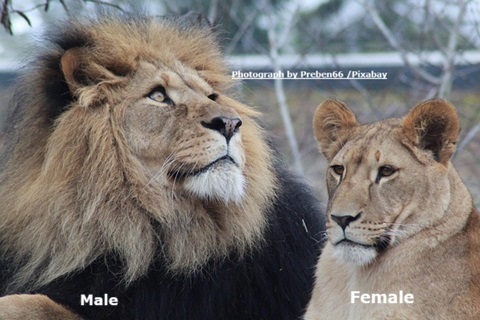
When we think of wildlife and the animal kingdom, the Lion(Panthera leo) often comes to mind as the quintessential symbol of strength and bravery. Known as the “king of The jungle,” despite its primary habitat being the savanna, the Lion plays a crucial role in its ecosystem. These magnificent creatures are social animals, typically living in prides that consist of related females, their young, and a few dominant males. This social structure not only aids in hunting but also provides protection against rival prides and other predators. The Lion is classified in the mammalian order Carnivora, and family Felidae.
The Social Structure Of Lions
Lion prides are one of the most fascinating aspects of their behavior. A pride usually consists of around 15 members, although the size can vary significantly. Female Lions, or Lionesses, are the primary hunters of the group. They often work together to stalk and ambush prey, showcasing impressive teamwork and coordination. This cooperative hunting strategy allows them to take down large animals such as wildebeest and even young elephants.
Males, on the other hand, have the responsibility of protecting the pride’s territory from intruders and rival males. They often engage in fierce battles to maintain their dominance and secure breeding rights with the females. The social bonds within a pride can be quite strong, especially among the females, who are often related. They groom one another, play, and even share nursing duties for the cubs, ensuring a supportive environment for the young.
| Genus | Panthera |
| Species | P. leo |
| Binomial Name | Panthera leo |
| Length | 1.6-2.1 m(5’3”-6’11”) |
| Weight | 110-250 kg(243-550 lbs.) |
| Tail Length | 72-94 cm(2’4″-3’1”) |
| IUCN Status | Vulnerable |
Physical Attributes And Hunting Skills
Lions are equipped with remarkable adaptations that make them formidable hunters. Their powerful build, sharp claws, and keen senses allow them to take down large prey. An adult male Lion weighs 190 kilograms(420 pounds) on average, while the average weight of a female is 127 kilograms(280 pounds). Their muscular bodies are designed for strength and endurance, enabling them to chase down prey over short distances.
Their keen eyesight and excellent night vision help them hunt effectively in low-light conditions, making them primarily nocturnal hunters. This nocturnal behavior also minimizes competition with other predators, such as hyenas and the Leopard(Panthera pardus). Lions can run at speeds of up to 50 miles per hour in short bursts, but they rely on stealth and strategy rather than speed to catch their prey.
Range And Habitat
Lions live in Angola, Benin, Botswana, Burkina Faso, Cameroon, Central African Republic, Chad, The Democratic Republic Of The Congo, Eswatini, Ethiopia, Kenya, Malawi, Mozambique, Namibia, Niger, Nigeria, Senegal, Somalia, South Africa, South Sudan, Sudan, United Republic Of Tanzania, Uganda, Zambia, and Zimbabwe. There is also a population of Lions which live in Gir National Park in Gujarat, western India. Lions inhabit grasslands, plains and woodlands.
Importance In The Ecosystem
As apex predators, Lions play a vital role in maintaining the balance of their ecosystem. By controlling herbivore populations, they help prevent overgrazing, which can lead to habitat degradation. This balance is crucial for the survival of various plant and animal species in the savanna. The decline of Lion populations can have cascading effects on the ecosystem, leading to an increase in herbivore numbers that can over-consume vegetation, ultimately harming the entire habitat.
Moreover, Lions help create opportunities for other scavengers. After Lions finish their kills, they often leave behind carcasses that provide food for vultures, hyenas, and other scavenging animals. This process of nutrient recycling is essential for the health of the ecosystem, highlighting the interconnectedness of species within it.
Threats To Lion Populations
Despite their importance, Lions face numerous threats that have contributed to a significant decline in their populations over the past century. Habitat loss is one of the most pressing issues. As human populations expand, Lion habitats are increasingly encroached upon by agriculture, urban development, and infrastructure projects. This not only reduces the space available for Lions but also fragments their territories, making it harder for them to hunt and find mates.
Human-wildlife conflict is another critical threat. As Lions venture into areas inhabited by humans in search of food, they often come into conflict with livestock owners. In retaliation, farmers may kill Lions to protect their livestock, leading to further population declines. Additionally, poaching remains a significant issue, with Lions being targeted for their bones, skins, and body parts, which are often used in traditional medicine or sold on the black market.
Conservation Efforts
Conservation efforts are essential to ensure that future generations can appreciate these incredible animals in the wild. Various organizations and initiatives are dedicated to protecting Lion habitats and promoting coexistence between humans and wildlife. Community-based conservation programs have been particularly effective in involving local populations in conservation efforts, helping them understand the importance of preserving Lions and their ecosystems.
One successful approach has been the establishment of wildlife corridors that allow Lions to move safely between fragmented habitats. These corridors help reduce human-wildlife conflict by providing Lions with access to prey and safe passage, minimizing encounters with livestock.
In addition to habitat protection, education and awareness campaigns play a crucial role in Lion conservation. By informing communities about the ecological significance of Lions and the benefits of biodiversity, these programs foster a sense of stewardship toward wildlife. Encouraging local communities to participate in eco-tourism can also provide them with alternative sources of income, reducing dependency on activities that harm wildlife.
The Role Of Eco-Tourism
Eco-tourism has emerged as a powerful tool for Lion conservation. By promoting responsible wildlife tourism, local communities can benefit economically while protecting their natural heritage. Tourists who visit national parks and reserves to see Lions contribute to conservation funding through park entrance fees, which help support anti-poaching efforts, habitat restoration, and community development initiatives.
Moreover, eco-tourism creates a vested interest in preserving Lion populations. When communities see the financial benefits of having Lions in their ecosystems, they are more likely to engage in conservation efforts rather than resorting to practices that harm these majestic creatures. This symbiotic relationship between wildlife and local economies is crucial for sustainable conservation.
How You Can Help
If you’re interested in learning more about Lions and how you can contribute to their conservation, consider supporting wildlife organizations dedicated to protecting their habitats. Here are some practical steps you can take:
- Donate To Conservation Organizations: Many organizations are involved in Lion conservation efforts, and financial support can make a significant difference. Donations can help fund anti-poaching patrols, habitat restoration projects, and community education programs.
- Adopt A Lion: Some wildlife organizations offer symbolic adoptions of Lions, where your contributions support the care and conservation of these animals in the wild.
- Participate In Eco-Tourism: When planning your travels, choose eco-friendly tours that prioritize wildlife conservation. This helps ensure that your travel dollars support sustainable practices.
- Spread Awareness: Use your voice to raise awareness about the threats facing Lions and the importance of conservation. Share information on social media, organize community events, or engage in discussions about wildlife protection.
- Educate Yourself And Others: Learn about the complexities of Lion conservation and the role of apex predators in ecosystems. Understanding these issues can help you become a more effective advocate for wildlife.
- Support Sustainable Products: Choose products that are sustainably sourced and support ethical practices. This can help reduce habitat destruction and promote conservation-friendly practices.
The Future Of Lions
The future of Lions hangs in the balance, and it is crucial for all of us to play a role in their conservation. By addressing the threats they face and promoting sustainable practices, we can help ensure that these majestic creatures continue to roam the savanna for generations to come.
As we strive to protect Lions, we must also recognize the broader implications of their conservation. The health of Lion populations is a reflection of the overall state of the ecosystem. By safeguarding Lions, we are also protecting countless other species and the intricate web of life that supports them.
Together, we can ensure that the roar of the Lion continues to echo across the savanna, a powerful reminder of nature’s majesty and the importance of conservation. Through collective action and dedication, we can work toward a future where Lions thrive in their natural habitats, inspiring awe and respect in all who encounter them.