

When we think of the Felidae family, the first images that come to mind are often a domestic cat lounging in the sun or the majestic Lion(Panthera leo) roaming the savannah. However, this diverse family of mammals encompasses a wide range of species. From the agile Cheetah(Acinonyx jubatus) to the elusive Snow Leopard(Panthera uncia), the Felidae family plays a crucial role in maintaining the ecological balance of their habitats. Understanding these fascinating creatures not only enriches our knowledge of biodiversity but also highlights the importance of conservation efforts.
An Overview Of The Felidae Family
The Felidae family, commonly known as cats, includes 41 recognized species that are divided into two main subfamilies: Pantherinae, which includes the larger cats like the Lion, Tiger(Panthera tigris), and Leopard(Panthera pardus), and Felinae, which encompasses smaller cats such as domestic cats, the Serval(Leptailurus serval), and Ocelot(Leopardus pardalis). This family is widespread, found on every continent except Antarctica, showcasing a remarkable diversity that reflects the various habitats they occupy.
One of the most notable characteristics of felids is their hunting prowess. Felids are obligate carnivores, meaning they rely primarily on a diet of meat. This diet requires the specialized physical traits which are possessed by most felids, such as sharp retractable claws that allow them to grip and hold onto prey, powerful jaws designed for delivering fatal bites, and acute senses that help them detect prey from a distance. Their keen sense of hearing, for example, enables them to detect the faintest rustle of leaves caused by potential prey, while their excellent night vision allows them to hunt effectively during low-light conditions.
The Ecological Role Of Felids
Felids play a crucial role in their ecosystems as apex predators. By regulating prey populations, they help maintain the balance within their habitats. For example, the presence of large cats like Tigers and Lions can influence the behavior and distribution of herbivores, which in turn affects vegetation growth and landscape composition. This intricate web of interactions underscores the importance of felids in sustaining healthy ecosystems.
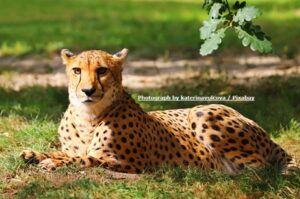
In various habitats around the globe, felids have adapted to fulfill specific ecological niches. The Snow Leopard, for instance, is perfectly suited for the harsh mountainous regions of Central and South Asia, where its thick fur and long tail provide insulation and stability while navigating rocky terrains. In contrast, the Cheetah, with its lightweight body and long legs enabling it to sprint at incredible speeds to catch prey in open grasslands.
The Social Structures Of Felids
While many felids are solitary creatures, some species exhibit fascinating social structures. Lions, for instance, are unique among felids for their pride-based social system. A pride typically consists of a few related females, their offspring, and one or more males. This social structure offers advantages in terms of cooperative hunting and protection against rival males.
In contrast, species like the Leopard and the Jaguar(Panthera onca) are primarily solitary, preferring to hunt and live alone. Their solitary nature allows them to be highly territorial, marking their domains and defending them from intruders. This territorial behavior is crucial for resource management, ensuring that individual felids have access to sufficient prey and habitat.
The Diversity Within The Felidae Family
The Felidae family is incredibly diverse, with species exhibiting a wide range of sizes, colors, and behaviors. Some of the smallest members, like the Rusty-Spotted Cat(Prionailurus rubiginosus), measure only about 48 centimeters(1 foot 7 inches) in length, while the largest, the Tiger, can weigh over 250 kilograms(551 pounds) and measure up to 3.3 meters in length(10 feet 10 inches), including its tail.
The Majestic Big Cats
The big cats, which include Lions, Tigers, Leopards, and Jaguars, are often the most well-known members of the Felidae family. Each of these species is remarkable in its own right. For example, the Tiger, native to Asia and some countries in Europe, is known for its striking orange coat with black stripes, which provides excellent camouflage in its natural habitat. Tigers are also the largest of all felids; males can reach weights up to 390 kilograms(661 pounds).
Lions, often referred to as the “king Of The jungle,” are known for their majestic manes and social structures. Male Lions protect their pride from other males, while females do most of the hunting. The cooperative nature of Lion prides allows them to take down larger prey, such as the Common Wildebeest(Connochaetes taurinus) and African Buffalo(Syncerus caffer).
Leopards are found in a variety of habitats, from savannas to rainforests. They are excellent climbers and often stash their kills in trees to protect them from scavengers. Jaguars, on the other hand, are the largest cats in the Americas and are known for their powerful bite, capable of crushing the shells of turtles.
The Enigmatic Small Cats
While the big cats often capture the spotlight, the small cats of the Felidae family are equally captivating. These species, such as the Serval, Bobcat(Lynx rufus), Ocelot, and the domestic cat, showcase a range of unique adaptations that allow them to thrive in their pacific environments.
The Serval, with its long legs and large ears, is a master of the African savanna. It is known for its exceptional jumping ability, allowing it to catch birds and rodents with remarkable agility. Bobcats, native to North America, are adaptable and can thrive in various habitats, from forests to deserts. Their tufted ears and short tails distinguish them from other felids.
Ocelots, found primarily in Central and South America, are known for their beautiful spotted coats and nocturnal hunting habits. They are skilled climbers and often hunt in trees. The domestic cat, a descendant of the African Wildcat(Felis lybica), has become one of the most popular pets worldwide, showcasing the deep bond between humans and felids.
Threats To Felidae Species
Despite their adaptability and resilience, many felid species face significant threats due to human activities. Habitat loss and poaching are among the primary challenges that jeopardize their survival. As urbanization expands and forests are cleared for agriculture, many felids are losing their natural habitats, leading to population declines.
Poaching poses an additional threat, as large cats are often targeted for their beautiful pelts, bones, and other body parts used in traditional medicine and as status symbols. The illegal wildlife trade has devastating consequences for felid populations, pushing some species to the brink of extinction.
Conservation Efforts For The Felidae Family
Recognizing the urgent need to protect felids and their habitats, numerous conservation initiatives are underway worldwide. Organizations dedicated to wildlife conservation work tirelessly to raise awareness, conduct research, and implement protective measures for these magnificent creatures.
Protected areas, such as national parks and wildlife reserves, play a crucial role in safeguarding felid populations. These areas provide safe havens for felids to thrive, free from human encroachment and poaching. Additionally, wildlife corridors are being established to connect fragmented habitats, allowing felids to move freely and maintain genetic diversity.
Community-based conservation programs are also gaining traction, emphasizing the importance of involving local communities in conservation efforts. By promoting sustainable practices and providing alternative livelihoods, these initiatives help reduce human-wildlife conflicts and garner support for protecting felid populations.
The Role Of Education And Advocacy
Education plays a vital role in conservation, as it fosters a deeper understanding of the importance of felids and their ecosystems. Schools, wildlife organizations, and community programs are increasingly incorporating wildlife education into their curricula, helping to inspire the next generation of conservationists.
Advocacy and awareness campaigns are essential in promoting responsible wildlife tourism and encouraging individuals to take action. By supporting ethical wildlife tourism practices such as visiting sanctuaries that prioritize animal welfare, individuals can contribute to the conservation of felids and their habitats.
How You Can Help
As individuals, there are Several ways we can contribute to the conservation of the Felidae family. Supporting reputable wildlife organizations through donations or volunteering can directly impact conservation efforts. Educating ourselves and others about the challenges facing felids and the importance of biodiversity can help raise awareness and inspire action.
Additionally, advocating for policies that protect wildlife and their habitats is crucial. By contacting local representatives and expressing support for conservation initiatives, we can amplify our voices and bring attention to the needs of felids.
Conclusion: A Call To Action
The Felidae family represents an extraordinary array of species, each with its own unique adaptations, behaviors, and ecological roles. From the stealthy Snow Leopard to the playful domestic cat, these creatures captivate our imagination and remind us of the beauty of the natural world. However, their survival is threatened by human activities and environmental changes.
By understanding and appreciating the complexities of the Felidae family, we can take meaningful steps toward their conservation. Together, we can make a difference in the lives of these magnificent animals and the ecosystems they inhabit. Let us work collectively to protect our planet’s biodiversity and ensure that future generations can marvel at the incredible felids that roam our world.