

The mammalian order Carnivora encompasses a diverse group of mammals which currently consists of over 270 species. The mammals classified in the order Carnivora are often formally referred to as carnivorans. Just like all other animals which are carnivores, carnivorans eat primarily meat. This order includes well-known species such as The Lion(Panthera leo), Gray Wolf(Canis lupus), and Polar Bear(Ursus maritimus), but also lesser-known creatures like weasels and hyenas. What sets Carnivora apart is their unique characteristics that enable them to thrive as predators. From sharp claws and keen senses to specialized teeth designed for tearing flesh, these animals play a critical role in maintaining the balance of ecosystems around the globe.
- Overview Of The Order Carnivora
The order Carnivora is broadly divided into two suborders: Feliformia and Caniformia. Feliforms include cats, hyenas, and mongooses, while caniforms encompass dogs, bears, seals, and raccoons.
1.1 Feliformia
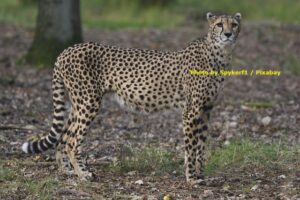
Feliforms, also known as “cat-like” carnivorans, exhibit a range of sizes and behaviors. The family Felidae, which includes domestic cats as well as big cats like the Tiger(Panthera tigris) and Lion(Panthera leo), is perhaps the most famous group within this suborder. Most members of the Felidae family are characterized by their retractable claws, acute senses, and stealthy hunting techniques.
Hyenas, often misunderstood as mere scavengers, belong to the family Hyaenidae. Their powerful jaws allow them to crush bones, enabling them to exploit carrion effectively.
1.2 Caniformia

Caniforms, or “dog-like” carnivorans, include a wider variety of animals, from wolves and foxes to bears and seals. The family Canidae, which includes domestic dogs, is renowned for its pack behavior and social structures, particularly seen in wolves. These animals communicate through vocalizations, body language, and scent marking, which play crucial roles in their hunting strategies and social dynamics.
Bears, part of the family Ursidae, are unique among carnivorans due to their omnivorous diets, but they retain many predatory traits. Their strong sense of smell and powerful build make them formidable hunters when necessary.
- Characteristics For Predation
Carnivorans exhibit a remarkable range of characteristics that enhance their predatory capabilities.
2.1 Anatomical Features
One of the most significant anatomical characteristics in carnivorans is their dentition. Carnivorans typically possess sharp, conical teeth known as carnassials, which are perfect for slicing through flesh. Their canine teeth are also elongated, allowing them to deliver powerful bites.
In addition to their teeth, carnivorans typically have strong jaw muscles that enable them to exert significant force when biting. This is particularly important for species that take down large prey, such as Lions and Tigers, which often hunt animals much larger than themselves.
2.2 Senses
Keen senses are another hallmark of carnivorous mammals. Many species possess excellent vision, especially in low-light conditions, which is critical for hunting during dawn or dusk, known as crepuscular activity. For instance, the eyes of felids have a reflective layer called the tapetum lucidum, enhancing their night vision.
Moreover, the sense of smell is highly developed in many caniforms. Wolves, for example, have an extraordinary olfactory system that allows them to detect scents from miles away, guiding them during hunts and helping them locate prey.
2.3 Behavioral Strategies
Hunting strategies among carnivorans vary widely. Social species like the Lion(Panthera leo) and Gray Wolf(Canis lupis) rely on teamwork and pack dynamics to bring down large prey. Their coordinated efforts increase success rates and minimize risk during hunts. In contrast, solitary hunters like the Leopard(Panthera pardus) and Tiger(Panthera tigris) use stealth and camouflage to ambush their prey. They rely on their acute senses to stalk animals until they are within striking distance.
- Ecological Roles Of Carnivora
Carnivorans play indispensable roles in their ecosystems as apex predators. They help regulate populations of herbivores, which in turn affects vegetation and overall ecosystem health. By controlling herbivore numbers, carnivorans prevent overgrazing, allowing for healthier plant communities and promoting biodiversity.
3.1 Trophic Cascades
The concept of trophic cascades illustrates how predators influence the structure and function of ecosystems. For instance, the reintroduction of Gray Wolves to Yellowstone National Park has had profound effects on the ecosystem. Gray Wolves reduced the Elk(Cervus canadensis) population, which allowed willow and aspen trees to regenerate. This, in turn, benefited other species, including The North American Beaver(Castor canadensis), which rely on these trees for their habitat.

3.2 Indicator Species
Carnivorans are often considered indicator species, meaning their health reflects the overall health of the ecosystem. A decline in carnivoran populations can signal underlying issues, such as habitat degradation or pollution. Monitoring these species can provide valuable insights into the condition of the environment and help guide conservation efforts.
- Threats To Carnivora
Despite their resilience, many carnivorous species are under threat due to human activities. Habitat loss, poaching, and conflicts with humans pose significant challenges to their survival.
4.1 Habitat Loss
Urbanization, agriculture, and deforestation have led to significant habitat fragmentation and loss. Many carnivorans require large territories to hunt and roam, and as their habitats shrink, their populations become isolated, leading to reduced genetic diversity and increased vulnerability to extinction.
4.2 Human-Wildlife Conflict
As human populations expand into wildlife territories, conflicts between carnivorans and humans are becoming more common. Livestock predation by wolves or big cats often leads to retaliatory killings by farmers and ranchers. Finding solutions that promote coexistence is crucial for the survival of these apex predators.
- Conservation Efforts
Conservation efforts aimed at protecting carnivorans are essential for maintaining biodiversity and ecosystem health. Various strategies are being employed globally to address the challenges faced by these species.
5.1 Protected Areas
Establishing protected areas, such as national parks and wildlife reserves, is a critical step in safeguarding carnivore habitats. These areas provide safe havens for wildlife, allowing populations to thrive without the pressures of human encroachment. Yellowstone National Park is a prime example of how protected areas can support apex predators like the Gray Wolf(Canis lupus) and Grizzly Bear(Ursus arctos horribilis).
5.2 Community Involvement
Engaging local communities in conservation efforts is vital for success. Programs that promote coexistence, such as compensation schemes for livestock losses due to predation, can help reduce conflict. Education and awareness campaigns can foster positive attitudes toward carnivorans and emphasize their ecological importance.
5.3 Research And Monitoring
Ongoing research and monitoring of carnivoran populations are crucial for understanding their needs and threats. Tracking movements, studying behavior, and assessing population dynamics provide valuable data that inform conservation strategies. Innovative technologies, such as GPS collars and camera traps, have revolutionized the way researchers study these elusive animals.
- The Role Of Education And Awareness
To ensure the survival of carnivorans, public awareness and education are essential. Understanding the ecological roles of these animals and the threats they face can inspire action and support for conservation initiatives.
6.1 Documentaries And Literature
Documentaries and literature play a significant role in raising awareness about carnivorans. Films that showcase the beauty and complexity of these animals can captivate audiences and foster a deeper appreciation for wildlife. Reading books on carnivorans can provide insights into their behaviors, social structures, and conservation challenges.
6.2 Wildlife Reserves And Sanctuaries
Visiting wildlife reserves and sanctuaries allows individuals to experience carnivorans up close and personal. These interactions can inspire a sense of responsibility for protecting wildlife and their habitats. Many organizations offer programs that educate visitors about the importance of conservation and the challenges faced by these apex predators.
- Conclusion
The world of Carnivora is a captivating one, filled with remarkable adaptations, complex behaviors, and critical ecological roles. As apex predators, these animals are vital for maintaining the balance of ecosystems and ensuring biodiversity. However, they face numerous threats that require our attention and action.
By engaging with educational resources, supporting conservation efforts, and advocating for the protection of habitats, we can contribute to the preservation of these magnificent creatures. Together, we can ensure that future generations will appreciate the incredible diversity and ecological significance of the order Carnivora. The fight to protect these apex predators is not just about saving individual species; it is about safeguarding the intricate web of life that sustains our planet.