
Europe is a continent of remarkable diversity, encompassing a wide array of landscapes, cultures, and histories. Its geography, tourist attractions, political challenges, and trade networks make it a fascinating region to explore. Below is an in-depth look at these aspects.
Europe’s geographical diversity is unmatched. The continent is divided into four main regions:
- Northern Europe: Includes countries like Norway, Sweden, and Finland. This region is known for its fjords, boreal forests, and Arctic landscapes.
- Eastern Europe: Comprises nations such as Poland, Ukraine, and Russia. Eastern Europe features vast plains and mountain ranges like the Carpathians.
- Southern Europe: Encompasses Mediterranean countries such as Italy, Greece, and Spain. This region is characterized by sunny coastlines and rugged mountains.
- Western Europe: Includes France, Germany, Belgium, and Switzerland. Western Europe offers a mix of rolling hills and river valleys like the Rhine.
Geographical Overview
Europe occupies the western fifth of the Eurasian landmass and is bordered by the Arctic Ocean to the north, the Atlantic Ocean to the west, and the Mediterranean Sea to the south. It is separated from Asia by natural boundaries such as the Ural Mountains and the Caspian Sea. Spanning approximately 10.2 million square kilometers, Europe is the second smallest continent but one of the most densely populated, with around 745 million inhabitants as of 2021.
The continent boasts diverse landforms:
Northern Lowlands: Stretching across much of northern Europe, this area includes fertile plains ideal for agriculture.
Alpine Region: Home to mountain ranges like the Alps and Pyrenees.
Western Highlands: Rugged terrains such as Scotland’s Highlands.
Central Uplands: Rolling hills and plateaus found in countries like Germany and France.
Europe’s climate is largely temperate due to the Gulf Stream, which moderates temperatures across much of the continent. However, climates range from Mediterranean warmth in southern regions to subarctic conditions in Scandinavia.
Top Tourist Attractions
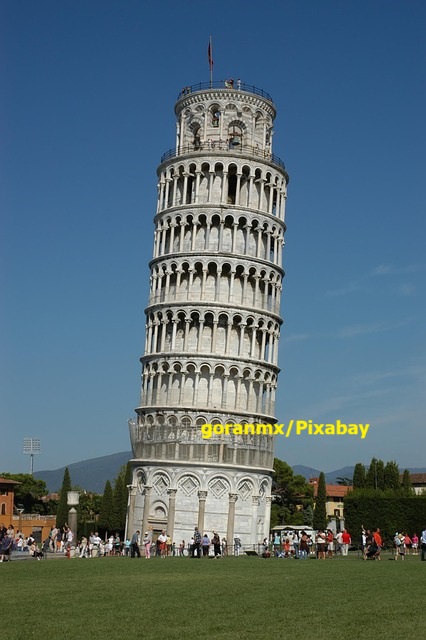
Europe is a treasure trove of cultural landmarks and natural wonders that attract millions of tourists annually. Below are some must-visit destinations:
Historical and Architectural Marvels

Photograph by pasaheros/ Pixabay
- The Colosseum(Rome, Italy): One of the New Seven Wonders Of The World, this ancient amphitheater once hosted gladiatorial contests.
- Eiffel Tower (Paris, France): An iconic symbol of France offering breathtaking views over Paris.
- Acropolis (Athens, Greece): A testament to ancient Greek civilization featuring structures like the Parthenon.
- Prague Castle ( Prague, Czech Republic): The world’s largest ancient castle complex, located in one of Europe’s most picturesque cities.
- Neuschwanstein Castle (Germany): A fairy-tale castle nestled in the Bavarian Alps.
Natural Wonders
- Norwegian Fjords: Stunning glacially-carved landscapes offering dramatic scenery.
- Scottish Highlands: Rugged mountains dotted with lochs and glens.
- Plitvice Lakes (Croatia): A series of cascading lakes renowned for their vivid turquoise waters.
Cultural Experiences
- Strolling through Venice’s canals.
- Exploring Florence’s Renaissance art.
- Enjoying Provence’s lavender fields in France.
These attractions highlight Europe’s blend of historical significance and natural beauty.
European Union Integration
The European Union (EU), comprising 27 member states, is a unique political and economic union. However, it grapples with issues such as:
- The aftermath of Brexit, which saw the UK exit the EU.
- Balancing sovereignty with collective decision-making among member states.
Trade And Economic Information
Europe plays a central role in global trade due to its advanced economies and strategic location:
Key Trade Partners
The EU is one of the largest trading blocs globally. Its primary trade partners include:
- The United States
- China
- The United Kingdom (post-Brexit)
Germany stands out as Europe’s economic powerhouse, exporting machinery, vehicles, and pharmaceuticals worldwide.
Natural Resources
Europe has limited natural resources compared to other continents but benefits from:
- Oil and gas reserves in Norway and Russia.
- Coal deposits in Poland.
- Agricultural products like wine from France and olive oil from Spain.
Challenges In Trade
The EU faces challenges such as:
- Supply chain disruptions caused by geopolitical conflicts.
- Competition from emerging economies.
- Balancing trade policies with environmental sustainability goals.
Conclusion
Europe’s geography offers a stunning variety of landscapes that range from snow-capped mountains to sunlit beaches. Its rich history is reflected in iconic landmarks like Rome’s Colosseum and Athens’ Acropolis. Economically, Europe remains a global leader in trade despite facing hurdles like Brexit and supply chain issues. Its commitment to sustainability through initiatives like the European Green Deal showcases its forward-thinking approach.
Whether you’re drawn by its natural beauty or cultural richness, Europe continues to captivate travelers while navigating an ever-changing global landscape.